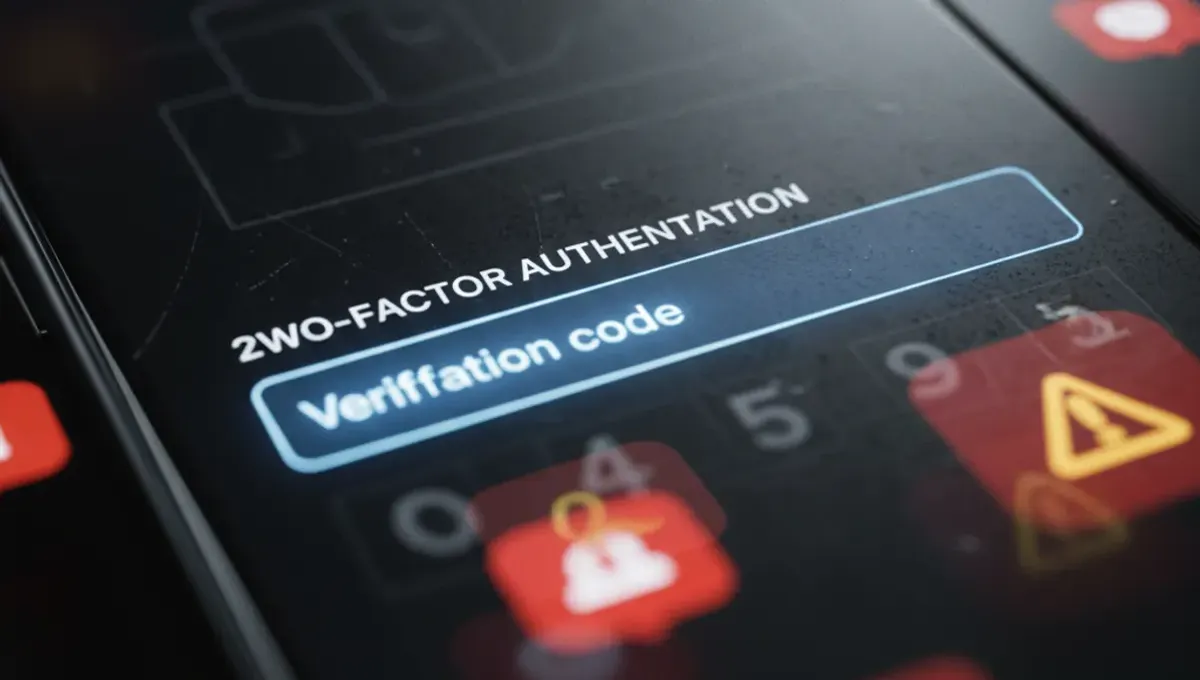
Why Telegram Became Central to Deep Web Communities
Telegram's combination of encryption, group features and relative anonymity made it attractive to people discussing onion services, security tools and privacy topics. Unlike forums that require registration and moderation, Telegram channels can be discovered through links and joined instantly. This accessibility means both legitimate security researchers and scammers use the platform to reach audiences interested in deep web information.
The appeal lies in real-time communication. A user can share a newly discovered phishing clone, a law-enforcement action against a marketplace, or a security vulnerability within minutes. Communities that discuss links deep web 2022, links deep web 2026 and links deep web atualizado (updated links) often coordinate on Telegram because the platform allows rapid verification and discussion. However, this speed also means misinformation spreads quickly if you join the wrong channel.
How Phishing Clones Exploit Telegram Channel Names
The most common attack on Telegram is the creation of fake channels that mimic legitimate ones. A scammer creates a channel with a nearly identical name, adds the same profile picture and description, then posts links to phishing sites designed to steal usernames, passwords and two-factor authentication codes. Someone searching for links deep web telegram may join the fake channel by mistake and lose access to their accounts.
Phishing clones succeed because they appear in search results alongside the real channel. The attacker counts on users not verifying the channel's creation date, member count or the identity of the channel administrator. A legitimate deep web information channel typically has a pinned post with the administrator's PGP public key or a link to their official website. If a channel lacks these verification methods, treat it as unverified. Always check whether the channel has been around for months or years, not days.
Verification Methods for Legitimate Deep Web Channels
A trustworthy Telegram channel will provide multiple ways to confirm its identity. The most reliable method is a PGP-signed message from the channel administrator posted in the channel description or pinned at the top. You can verify the signature using the administrator's public key, which should be available on their official website or published on multiple platforms.
Other verification signals include:
- A link in the channel description to an official website with HTTPS and a valid SSL certificate
- Consistent posting history over months or years, not sudden activity after dormancy
- A pinned message explaining how to verify the channel's authenticity
- Cross-references in other established communities or security publications
- Transparency about who runs the channel and their background in security or privacy work
If a channel claims to offer links deep web brasil or links deep web atualizado but provides no way to verify its legitimacy, assume it is a phishing operation or a scam. Legitimate communities understand that verification is essential to their credibility.
The Reality of Deep Web Information on Telegram
According to Tor Project documentation and security-vendor incident reports, Telegram channels claiming to share deep web links often fall into three categories: legitimate security and privacy communities, scam channels designed to harvest credentials, and law-enforcement honeypots. The reader needs to understand this reality because joining the wrong channel can result in account compromise, malware infection or legal exposure if the channel is monitored by authorities.
Legitimate channels typically focus on technical education, tool verification and threat awareness rather than facilitating illegal activity. They discuss how to use Tor safely, how to identify phishing clones of onion services, and how to protect personal data. Scam channels, by contrast, promise access to exclusive marketplaces, leaked databases or hacking tools in exchange for payment or credential submission. Law-enforcement channels sometimes pose as community spaces to identify and monitor individuals seeking illegal services. Understanding these distinctions helps you make informed decisions about which communities to join and what information to trust.
How to Find Channels Without Falling Into Traps
Start by identifying established security organizations and researchers whose work you already know. Visit their official websites and look for Telegram channel links in the footer or contact section. This approach ensures you are joining a channel run by people with a documented history, not a random account created yesterday.
When you find a channel link, follow these steps before joining:
- Check the channel's creation date by viewing the channel info
- Read the pinned messages to see if the administrator has posted verification information
- Search for the channel name on security forums and Reddit to see if others have discussed its legitimacy
- Look for a PGP public key or official website link in the channel description
- Join and observe for a few days without posting, watching how the community moderates and what content they share
- If the channel asks for payment, personal information or credentials, leave immediately
This methodical approach takes time but prevents you from joining a phishing operation. Channels discussing links deep web telegram, links deep web 2025 or links deep web brasil should welcome this scrutiny, not discourage it.
Common Scams and How They Operate
Scammers use several tactics to exploit people searching for deep web information on Telegram. The most common is the fake marketplace channel, which claims to offer access to leaked data, hacking services or other illegal goods. The channel posts screenshots of supposed listings and asks users to send cryptocurrency or personal information to gain access. Once payment is sent, the scammer disappears or directs the victim to a phishing site.
Another tactic is the credential harvesting attack. A fake channel posts a link to a phishing site that mimics a popular marketplace or forum login page. When a user enters their username and password, the scammer captures the credentials and uses them to access the victim's accounts on other platforms. A third approach is the malware distribution channel, which shares files or links that install spyware or ransomware on the victim's device. These channels often pose as security tools or leaked databases to appear legitimate. If a channel asks you to download a file or click a link to access content, verify the source independently before proceeding.
Building Your Own Verification Habit
The most effective defense against scams is developing a habit of verification before engagement. Every time you encounter a Telegram channel claiming to share links deep web 2025, links deep web atualizado or any other deep web resource, pause and ask yourself three questions: Who runs this channel and what is their background? How can I verify the channel's identity independently? What would I lose if this channel turned out to be a scam?
If you cannot answer these questions with confidence, do not join. The cost of caution is a few minutes of research. The cost of joining a phishing channel is account compromise, credential theft or malware infection. Over time, this habit becomes automatic. You will recognize the warning signs of a fake channel instantly: generic descriptions, no verification methods, requests for payment or personal information, and sudden creation dates. Real communities understand that trust must be earned through transparency and consistency. If a channel does not demonstrate these qualities, it does not deserve your attention.
Questions?
How do I know if a Telegram channel about deep web links is real or a scam
Check for a PGP-signed message from the administrator, a link to an official website, and a consistent posting history over months. Legitimate channels welcome verification and provide multiple ways to confirm their identity. If a channel offers no verification methods or asks for payment or credentials, it is almost certainly a scam.
What should I do if I accidentally joined a phishing Telegram channel
Leave the channel immediately and change the password on any account you may have used to access it. If you entered credentials into a link shared by the channel, change those passwords as well. Monitor your accounts for unauthorized access and consider enabling two-factor authentication if you have not already.
Are there safe ways to find updated deep web links on Telegram
Yes, but only through channels run by established security organizations or researchers with a documented history. Start by visiting their official websites and looking for Telegram links in the footer or contact section. Avoid channels that appear in search results with no verification information or recent creation dates.
Why do scammers create fake Telegram channels about deep web links
Because people searching for this information are often willing to trust unverified sources quickly. Scammers exploit this urgency by creating channels that mimic legitimate ones, then harvest credentials or distribute malware. The low effort required to create a fake channel makes this a profitable attack for criminals.
Check the facts
- Tor Project — Official Tor browser and onion network documentation and downloads.
- Electronic Frontier Foundation (EFF) — Digital privacy advocacy and security best practices resources.
- FBI Internet Crime Complaint Center — Official reports on internet fraud, scams, and cybercrime threats.
- NIST Cybersecurity Framework — U.S. government standards for cybersecurity and risk management.
- Internet Society — Global organization promoting internet access, security, and standards.